
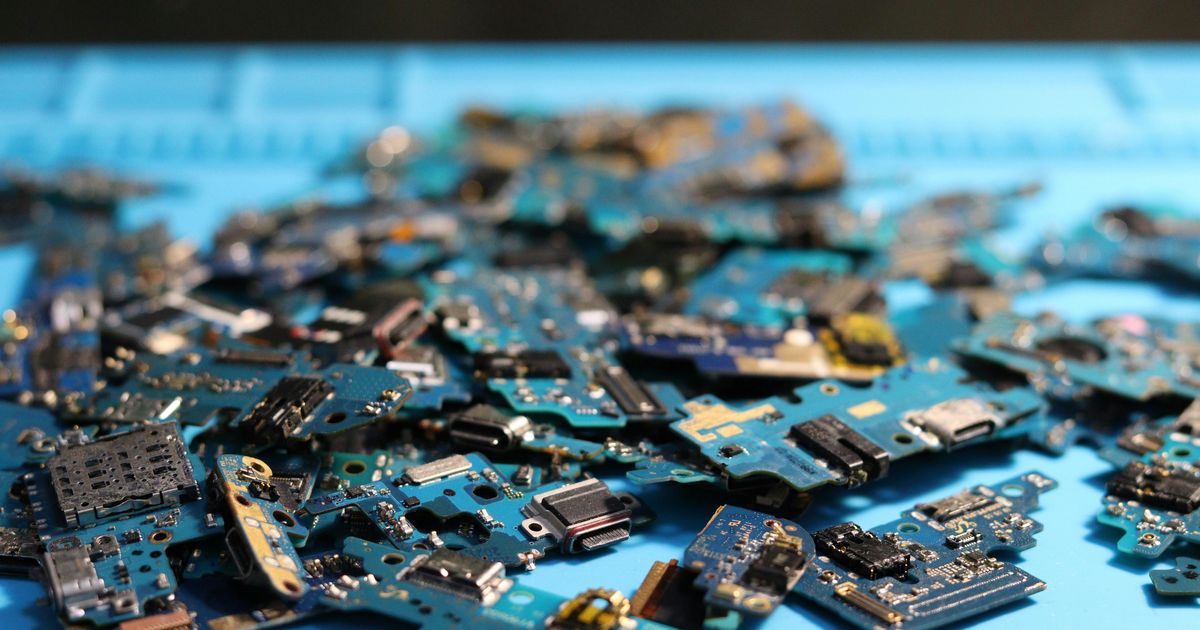
When people think about IT recycling, they picture equipment getting broken down and melted into raw materials. And that does happen — eventually. But for a huge portion of the equipment that comes through our door, recycling isn’t the first stop. Refurbishment is.
Understanding the difference between refurbishment and recycling — and why one is almost always better than the other — is key to making smart decisions about retired IT equipment.
The Waste Hierarchy
Environmental scientists and policymakers have long used a framework called the waste hierarchy to rank disposal options from most to least desirable. From the top:
Reduce — Use less in the first place. Buy what you need, not what you might need.
Reuse — Use it again, as-is or with minimal refurbishment. This is where refurbishment lives.
Recycle — Break it down into raw materials for remanufacturing.
Recovery — Extract energy from waste (incineration, etc.).
Disposal — Landfill. The last resort.
Reuse sits above recycling for a reason. When you refurbish and reuse a server, you preserve all the energy, materials, and labor that went into manufacturing it. When you recycle it, you lose most of that embedded value and start the manufacturing process over for whoever needs a replacement.
The Ellen MacArthur Foundation has done extensive work on circular economy principles — the idea that products and materials should stay in use for as long as possible. IT equipment is one of the most natural applications of this thinking.
What Refurbishment Actually Looks Like
When equipment arrives at our facility, we don’t just plug it in and call it good. Here’s what the process involves:
Visual inspection — Checking for physical damage, corrosion, or signs of environmental exposure (water damage, smoke, excessive dust).
Cleaning — Enterprise equipment that’s been running in a data center for three to five years accumulates dust, debris, and sometimes surprises. Everything gets cleaned thoroughly.
Component testing — Servers get powered on and run through diagnostics. We check for memory errors, drive health, BIOS/firmware status, and network connectivity. Individual components like CPUs, RAM, and drives get tested separately.
Data destruction — Any storage media goes through our sanitization process following NIST 800-88 guidelines before the equipment moves forward.
Grading and classification — Equipment gets categorized by condition, specification, and market value. Some goes directly to resale. Some gets upgraded or reconfigured to meet buyer demand. Some gets parted out for component resale.
Who Buys Refurbished Enterprise Equipment?
More people than you might think.
Small and mid-size businesses that need reliable infrastructure but can’t justify the cost of buying new. IT service providers building out lab and staging environments. Managed service providers expanding client infrastructure. Homelab enthusiasts and self-hosters who want enterprise-grade reliability for personal projects. Schools, nonprofits, and research institutions running on tight budgets.
A Dell PowerEdge server that a Fortune 500 company retires at three years old might run perfectly well for another five to seven years in a less demanding environment. That’s real, meaningful extended useful life.
When Recycling Is the Right Call
Not everything can or should be refurbished. Equipment that’s truly obsolete, physically damaged beyond repair, or so old that there’s no market demand is a legitimate candidate for material recycling.
The key is making that determination thoughtfully rather than defaulting to it. Too many organizations — and too many recycling providers — skip the assessment step entirely and send everything straight to the shredder. That’s waste in the most literal sense.
How This Connects to Our Service
When GreenIT Pickup collects your retired IT equipment, refurbishment and reuse are always our first priority. We maximize the useful life of every piece of equipment we can before anything goes to material recycling.
This approach benefits everyone. You get your space cleared and your data secured. Equipment that still has life gets a second chance. And the environmental impact is minimized because we’re keeping functional hardware in use instead of turning it into scrap prematurely.
Have equipment that deserves a second life? Schedule a pickup →