
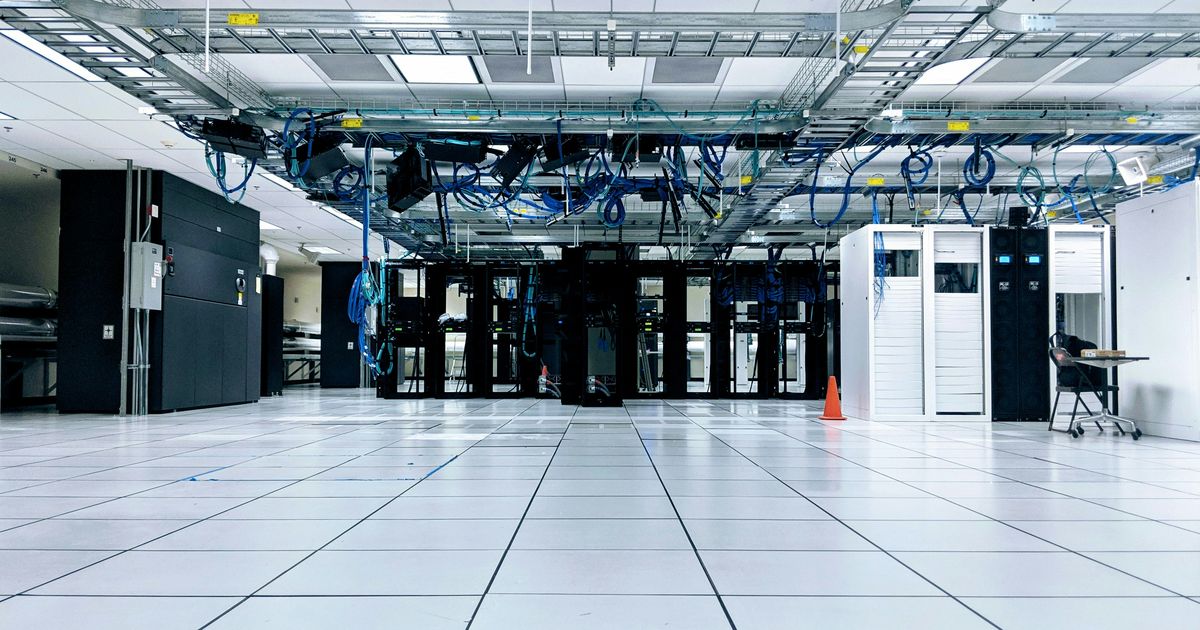
Every three to five years, most data centers go through a hardware refresh. New servers come in. Old servers go out. It’s a routine part of IT operations, driven by performance demands, warranty expirations, power efficiency improvements, and the relentless march of Moore’s Law.
What’s less visible is the environmental cost of that cycle.
The Scale of the Problem
The United Nations’ Global E-waste Monitor tracks worldwide electronic waste generation, and the numbers are staggering. Globally, we generate over 60 million metric tons of e-waste annually — and the number is climbing. IT and telecommunications equipment accounts for a significant portion of that total.
A single enterprise rack server contains pounds of steel, aluminum, copper, rare earth elements, and plastics. Multiply that by the thousands of servers a mid-size data center replaces in a single refresh, and you start to see the scale.
But the environmental cost isn’t just about what gets thrown away. It’s about what it took to build it in the first place.
The Manufacturing Footprint
Building a new server is resource-intensive. Mining the metals, refining the materials, manufacturing the chips, assembling the components, and shipping the final product — each step carries an environmental cost. Studies have shown that for many electronics, the majority of lifetime carbon emissions come from manufacturing, not from years of operational use.
That means the most environmentally impactful thing you can do with a working server isn’t to recycle it. It’s to keep it running. Or if you can’t use it, to make sure someone else can.
What Happens When Refresh Cycles Go Wrong
In the worst case, retired data center equipment ends up exported to developing countries where it’s processed by hand in unsafe conditions. Circuit boards get burned in open pits to recover trace metals. Heavy metals leach into soil and water. Workers — often including children — are exposed to toxic fumes.
The Basel Action Network has spent years documenting this problem through GPS tracking studies, showing that equipment given to some “recyclers” ends up in exactly these situations.
Even domestically, equipment that goes straight to material recycling — shredded for raw material recovery — represents a missed opportunity. If that server still works, shredding it means someone somewhere is manufacturing a new one to meet the demand the old one could have fulfilled.
The Reuse Opportunity
This is where responsible IT asset disposition makes a real difference. Enterprise equipment that’s being retired by one organization is often perfectly viable for another. A three-year-old server that no longer meets a hyperscaler’s performance requirements might be ideal for a small business, a research lab, or a homelab enthusiast.
By testing, refurbishing, and reselling equipment instead of immediately recycling it, we extend the useful life of hardware that already exists. That directly offsets the need for new manufacturing and all its associated environmental costs.
What Businesses Can Do
If you’re planning a hardware refresh, think about disposition before you start purchasing new equipment. Build decommissioning into your project plan, not as an afterthought. Work with a provider that prioritizes reuse over raw recycling. Ask where your equipment actually ends up.
And if you’re in the Dallas-Fort Worth area, we’re happy to make this easy. We’ll pick up your retired equipment, handle data destruction, put anything viable back into productive use, and responsibly recycle the rest.
It’s a small step in the context of a global problem, but it’s a meaningful one — and it starts with how individual organizations handle their own hardware lifecycle.
Planning a hardware refresh? Schedule a pickup and give your old equipment a second life →